🧢 Beautiful ✨ Detailed πŸ’ Adorable

Clutch The Best Amigurumi Pattern

Clutch The Best Amigurumi Pattern
4.1β˜… Rating
8-10 Hours Time Needed
2.4K Made This
βœ‚οΈ

Intermediate Level

Ideal for those with basic crochet experience, featuring slightly more advanced stitches and techniques to expand your skills.

⏱️

All-Day Adventure

Requires 8-10 hours, ideal for a full day of immersive crocheting.

✨

Stylish Touch

An elegant detail to elevate any look, combining traditional techniques with contemporary design sensibilities.

About This Clutch The Best Amigurumi Pattern

This pattern teaches you to crochet a raffia clutch called "Clutch The Best" using a herringbone single crochet technique. It includes full material and tool lists plus gauge and finished measurements to guide your project. You will work a rectangular canvas, fold and join it, then finish the edges and seams for a professional clutch.
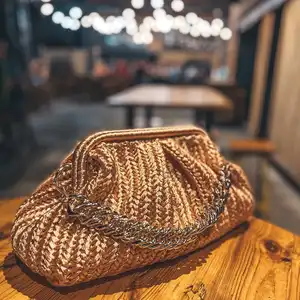
Clutch The Best Amigurumi Pattern crochet pattern - detailed view of completed project

The pattern is written for intermediate crocheters and includes steam and shaping tips specific to raffia yarn. Detailed photos and row-by-row instructions help you follow along and create a polished finished bag.

Why You'll Love This Clutch The Best Amigurumi Pattern

I absolutely love this pattern because it transforms simple raffia yarn into a chic, structured clutch with a beautiful herringbone texture. I enjoy how the techniques are practical yet creative β€” the herringbone SC creates a durable canvas perfect for bags. The pattern lets me apply shaping and finishing skills, like steaming and folding, which always make handmade pieces look professional. Every time I finish one I am proud of the clean seams and crisp edges this method produces.

Clutch The Best Amigurumi Pattern step 1 - construction progress Clutch The Best Amigurumi Pattern step 2 - assembly progress Clutch The Best Amigurumi Pattern step 3 - details and accessories Clutch The Best Amigurumi Pattern step 4 - final assembly and finishing

Switch Things Up

I love how easy it is to customize this clutch with color and hardware choices β€” try two-tone raffia or alternate light and dark strands for a striped effect.

If you want a softer, larger version, use a bulkier raffia and a larger hook; the bag will grow in both width and height, giving a roomy tote feel.

I sometimes add a lining in cotton fabric for extra structure and to hide seams; cut a fabric rectangle to the inner measurements and hand-sew it in place before fitting the frame.

I also enjoy switching the hardware β€” a brass chain or a leather strap instantly changes the bag's vibe from casual to elegant.

To make a mini keychain clutch, use thinner raffia or crochet fewer foundation chains and reduce row counts proportionally for a tiny version.

Try embellishing with embroidery or a crocheted flower applied to the front for a unique focal point and extra texture.

I occasionally insert a thin strip of plastic or interfacing into the base before sewing a lining for sturdier bottoms that hold their shape better under weight.

For a beachy look, leave ends frayed at the trim and add wooden beads to the snap chain for an organic accent.

Want a more structured top? Steam and clamp longer and press firmly before attaching the frame so the fold holds a sharper ridge.

I often experiment with different closure frames β€” kiss-lock frames work beautifully with the same fold technique but require slightly different spacing for securing.

If you like pockets, crochet a small separate panel and sew it inside the lining before inserting the frame to keep items organized.

Finally, always test your gauge if you switch yarn or hook size and adjust counts for foundation chain and rows accordingly so the final clasp fits perfectly.

Common Mistakes & How to Fix Them

βœ— Not straightening raffia before working causes uneven loops and stiffness; always fluff or steam your skein and straighten the yarn before crocheting. βœ— Crocheting too tightly with raffia squeezes the texture and makes the canvas stiff; keep your stitches loose and consistent to preserve flexibility and the herringbone look. βœ— Failing to join skeins correctly can lead to bulky joins and weak spots; overlap ends about 5 mm, glue with PVA, let dry, and wrap lightly to secure. βœ— Skipping steam shaping leaves the bag misshapen and wavy; steam both sides and clamp folds with a binder clip to set clean edges and folds. βœ— Not counting loops accurately when folding causes misaligned folds for the clasp; mark the middle and count the exact number of loops from markers before folding and clamping.
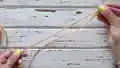
Clutch The Best Amigurumi Pattern

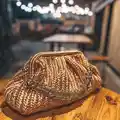
Make a stylish raffia clutch with this detailed intermediate crochet pattern. You will learn a herringbone single crochet technique and how to join and shape the canvas into a purse. The pattern includes full row-by-row instructions, materials, and step-by-step assembly tips so you can create a polished handmade clutch.

Intermediate 8-10 Hours

Materials Needed for Clutch The Best Amigurumi Pattern

β€” Main Fabric

  • 01
    Raffia yarn, 1 and 1/2 skeins, approximately 385 yards (350 meters) - Ispie, Bronze color (example)
  • 02
    Finished bag dimensions with specified materials: length 17 and 1/2 inches (45 cm), height 8 inches (20 cm), width 6 inches (15 cm)
  • 03
    Gauge: 14 stitches and 10 rows = 4*4 inches (10*10 cm)

β€” Tools Required

  • 01
    Crochet hook size 3 mm
  • 02
    Hidden clasp frame 9*4 inches (23*10 cm)
  • 03
    2 snap hook rings and 8 inches (40 cm) wide chain
  • 04
    PVA glue or glue stick
  • 05
    Plastic needle with large eyelet, sewing thread and needle
  • 06
    2 stitch markers and pins
  • 07
    Scissors and tape measure
  • 08
    Large binder clip
  • 09
    Iron for steaming and shaping

Progress Tracker

0% Complete

β€” Materials and Tools :

Info :

Any raffia yarn, 1 and 1/2 skeins, 385 yards (350 meters). In my example, raffia Ispie, Bronze color. Hook 3 mm. Hidden clasp frame, 9*4 inches (23*10 cm). 2 snap hook rings, 8 inches (40 cm) wide chain. PVA glue or glue stick. Plastic needle with large eyelet, sewing thread and needle. 2 markers, pins. Scissors, tape measure. Large binder clip. Iron. Finished bag from the specified materials: length - 17 and 1/2 inches (45 cm), height - 8 inches (20 cm), width - 6 inches (15 cm). Gauge: 14 stitches and 10 rows = 4*4 inches (10*10cm).

β€” Abbreviations :

Info :

CH - chain stitch. SlSt - slip stitch. SC - single crochet. TC - turning chain (1 CH). After worked a row of crochet, turn the piece over and work back.

β€” Recommendation for working with raffia yarn :

Infos :

1. Before crocheting with raffia, it must be straightened. If you have Fibranatura, then you need to "fluff" the yarn with your hands. If you have Ispie, you can steam yarn with an iron. 2. When crocheting with raffia, so that there are no holes in the canvas when crocheting the SC, we pull the working thread to the level of the hook. 3. When the thread runs out, you need to take a new skein and straighten the end of the thread. Put on the end of the working thread and the thread from a new skein with a clearance of 5 mm. Glue together with the PVA glue. After drying, lightly wrap the thread. 4. If you had to rip out your work, steam the thread with an iron. The yarn will return to its original shape.

β€” Crochet the canvas :

Foundation Chain :

Crochet 40 CH.

Info :

Crochet the clutch with Β«herringboneΒ» stitch. For that, we need to insert the hook on the left leg of the previous SC and crochet next SC. The thread not be twisted. Be careful, that the thread is always facing with the front side to you. Crochet the stitches very loosely.

Row 1 :

1 row. 1 SC from the 2nd loop of the hook. Insert the hook on the left leg of the previous SC. Insert the hook under the next stitch, pull up the loop at least 20 mm. There are 3 loops on the hook now.

Row 1 continued :

Crochet these. Tighten the working loop back. Next, insert the hook on the left leg of the previous SC. Insert the hook under the next stitch, pull up the loop, crochet SC made out of the 3 loops and continue so on. There are 39 SC to the end of the chain. TC. The row width should be about 10 mm.

Row 2 :

2 row. The working thread in front. Insert the hook from the front side to himself. Pull up the loop, crochet SC. Insert the hook on the left leg of the previous SC. Insert the hook under the next stitch, pull up the loop, crochet SC made out of the 3 loops and continue so on. There are 39 SC to the end of the chain. TC.

Row 3 :

3 row. 39 SC, TC.

Rows 4-40 :

4 - 40 rows. 39 SC, TC.

Info :

The length of 40 rows should be about 15 inches (38 cm). And 10 inches (26 cm) wide.

Row 41 :

41 row. 29 SC, TC. Ten loops left uncrocheted.

Rows 42-53 :

Crochet 13 row of 29 SC each. 42-52 rows. 29 SC, TC. 53 row. 29 SC. The length of 13 rows should be about 5 inches (13 cm).

Info :

Fold to check. Half the length of 13 rows should be equal to 10 loops.

Row 53 continued :

Continue 53rd row, crochet 11 CH.

Row 54 :

54 row. 10 SC from the 2nd loop of the hook in the each loop.

Row 55 :

29 SC (=39), TC.

Rows 55-93 :

55-92 rows. 39 SC, TC. 93 row. 39 SC.

Row 94 :

94 row. Insert the hook under last loop of the row, pull up the loop.

Row 94 continued :

Crochet 9 SlSt.

Row 95 :

95 row. CH, 29 SC, TC.

Rows 96-106 :

96-105 rows. 29 SC, TC. 106 row. 29 SC. Don't cut the thread.

Info :

Straighten the loops where necessary.

Assembly Step :

Steam the canvas from the front and the wrong side. Fold the canvas in half. Insert the hook under 1st loop of the chain. Then, insert the hook under last loop of the last row. Pull up the loop. Next, crochet 28 SlSt to connect the canvas. Cut the thread, pull out the end. Strengthen and hide the end.

Info :

Steam the seam with an iron.

Info :

Place the markers in the middle loops of the right and the left side.

Info :

Count 14 loops from the marker, then 6 more. Fold, count 6 more loops and fold in the middle on the other side. Steam the fold and clamp it with the binder clip.

Section :

Crochet the base trim. Insert the hook under loop where the 1st marker is. Crochet CH.

Assembly Instructions

  • Fold the finished rectangular canvas in half and align the chain edge with the final row edge; insert the hook under the 1st loop of the chain and under the last loop of the last row, pull up a loop and work 28 SlSt to join the two layers securely.
  • After joining the canvas, steam the seam and the folded areas from the front and wrong side to set the shape; clamp the main fold with a binder clip while it cools to achieve a crisp edge for the clasp frame.
  • Place stitch markers in the middle loops of the right and left sides then count 14 loops from each marker and mark for folds; fold and steam these folds and clamp with the binder clip before sewing the frame.
  • Trim and hide all thread ends after joining; reinforce glued joins between skeins (if applicable) and any seam areas with extra wrapping to secure raffia ends before final assembly.
  • Insert and sew the hidden clasp frame into the folded and steamed top edge following the frame manufacturer instructions, using the plastic needle and sewing thread to secure evenly around the frame perimeter.

Important Notes

  • πŸ’‘Straighten or steam raffia yarn before use to prevent twists and uneven loops while crocheting.
  • πŸ’‘Work herringbone single crochet stitches loosely and maintain consistent tension to preserve the textured canvas and finished measurements.
  • πŸ’‘Use stitch markers to mark middle and fold placement before steaming and clamping so folds align symmetrically.
  • πŸ’‘Glue overlapped ends of new skeins with a thin bead of PVA and allow to dry before continuing to avoid bulk and slipping.
  • πŸ’‘Steam and clamp folds and seams before attaching the frame to ensure crisp, professional-looking edges.

This raffia clutch pattern was designed to help you craft a chic accessory with a beautiful herringbone texture. The step-by-step photos and rows make it easy to follow from chain to finished seam. Enjoy creating a unique handmade bag that looks shop-bought! ✨🧢

You ask,

we answer.

FAQs

What size will the finished piece be?

The finished clutch measures approximately 17 and 1/2 inches (45 cm) long, 8 inches (20 cm) high and 6 inches (15 cm) wide using the specified materials.

Can I use different yarn weights for this pattern?

You can use different yarn, but using thicker or thinner yarn changes the final size and texture; adjust hook size and check gauge (14 sts x 10 rows = 10x10 cm) before proceeding.

Do I need prior crochet experience for this pattern?

This pattern is rated intermediate and assumes you know single crochet, slip stitch and working in rows; familiarity with herringbone-style insertions and shaping is helpful.

How long does this project typically take to complete?

Most crocheters finish this project in about 8-10 hours, depending on experience, speed, and time spent on steaming and finishing.

How do I join a new skein of raffia without a bulky join?

Overlap the old and new ends by about 5 mm, glue with PVA, let it dry, then wrap lightly to secure before continuing; this keeps the join thin and strong.