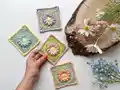
About This Elloth Granny Square Pattern
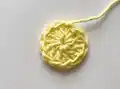
This photo tutorial teaches you how to crochet the Elloth Granny Square, a pretty floral motif that finishes to about 4 x 4 inches. The pattern uses three colors to create a small flower center and rounds out into a square with clean corners. Detailed step-by-step photos accompany each round so you can follow along with confidence.
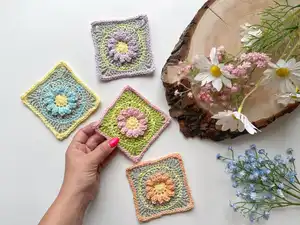
Youll learn popcorn stitches, standing stitches, and simple corner shaping for a tidy edge. Perfect for coasters, motif blankets, or quick gift projects.
Why You'll Love This Elloth Granny Square Pattern
I absolutely love this pattern because it blends a classic granny-square shape with a delightful flower center that really pops. I enjoy how quickly one square comes together, making it so satisfying to complete and easy to produce multiples. The photo tutorial format means I can show each tricky step clearly, especially the popcorns and standing stitches, so other crocheters can follow along easily. It warms my heart to see bright color combinations transform into a cohesive little motif.
Switch Things Up
I love to change up the colors in this pattern; try soft pastels for a vintage vibe or bright contrasting tones for a modern look.
For a larger motif, I switch to a sport or worsted weight yarn and increase hook size; this gives a chunkier square perfect for blankets.
I sometimes swap the popcorn round for a puff stitch to create a different textured flower center that still reads as a petal motif.
Want smaller squares? Use a DK or fingering weight yarn with a smaller hook and you get cute mini motifs for keychains or garlands.
I often add a thin contrasting edgingsuch as reverse single crochet or picotto give a refined finish and a pop of color around the square.
Try joining squares with an invisible join or whipstitch to change the overall look of your finished blanket or project; the joining method matters for the final drape.
I sometimes embroider a small centre dot or add a tiny bead to the middle of the flower for a subtle decorative detail.
For coasters, I add a very thin layer of felt underneath and slipstitch around the edge to tuck and secure the felt for longevity and absorbency.
I like to experiment with yarn fibers too: cotton gives crisp stitches and great blocking; acrylic yields a softer, more forgiving square for everyday use.
Dont be afraid to mix in novelty yarns for one round only to add shimmer or texture; just keep the rest of the rounds in a plainer yarn for balance.
If youre planning a large project, I recommend making a few sample squares and blocking them so you can decide on color placement and joining style before committing to the whole piece.
Common Mistakes & How to Fix Them
✗ Not counting stitches after each round can throw off your corner placement; always count your stitches at the end of each round to ensure you have the correct totals.
✗ Joining a new color insecurely can create gaps or uneven tension; use a secure join (standing stitch or tidy slip stitch) and weave in tails as you go to prevent gaps.
✗ Skipping the blocking step leaves edges wavy and uneven; block each finished square to even out stitches and shape crisp corners for neat joins.
✗ Placing corners incorrectly by missing the hidden stitch under the corner makes the edge look lopsided; remember to look for the hidden stitch (the first stitch of the previous round) when placing corner groups.