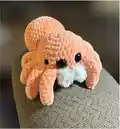
About This Low Sew Spider Amigurumi Pattern
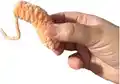
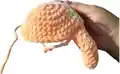
This pattern creates a soft, plush low-sew spider approximately 8 inches tall using chunky plush yarn. You will crochet eight stuffed legs, a head worked from the top down, and a rounded body, then attach them for a charming finished toy. The pattern uses basic amigurumi techniques like magic circle, single crochet, increases, and decreases, with helpful placement notes for eyes and fangs.
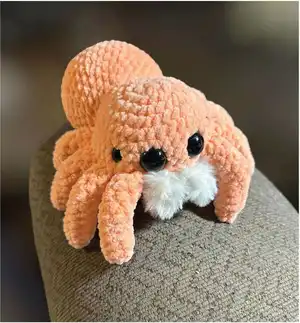
Perfect for those who enjoy quick plush projects, this design is ideal for using Parfait Chunky or Sweet Snuggles Lite yarns. Simple assembly and optional finishing choices let you customize the look and pose of your spider.
Why You'll Love This Low Sew Spider Amigurumi Pattern
I absolutely love this pattern because it turns a handful of simple stitches into a sweet, characterful friend. I enjoy the low-sew construction since it reduces fiddly finishing and still gives a polished look. The plush yarn makes every piece squishy and huggable, which is so satisfying to crochet. I also love that the leg attachment round lets you position the legs exactly where you like, changing the spider's personality easily. Making the fuzzy fangs is one of my favorite tiny details that really brings the face to life.
Switch Things Up
I love how versatile this pattern is for customization, and I often change colors to create a whole family of spiders.
I sometimes swap the main plush yarn for a brighter or pastel shade to match holidays or nursery themes.
To make a larger or smaller spider, I change yarn weight and hook size; bulky yarn with a larger hook gives a chunky version while thinner yarn makes a mini version.
I like to vary eye sizes for personality—bigger 20 mm eyes give a cuter look, while smaller 12 mm eyes create a subtler expression.
For poseable legs, I insert thin wire into each leg before closing and leave the end secured inside so the legs can be bent and posed.
I often add embroidered brows or a tiny stitched mouth to alter the spider's expression and mood.
Try different fangs by using felt or crocheting slightly longer fuzzy pieces for a dramatic curve that tucks into the head.
Switching yarn texture for the fangs (faux fur or eyelash yarn) changes the finished look from subtle to very fluffy and expressive.
I sometimes stitch a tiny charm or ribbon to the back of the body for a gift-ready finish and a little extra detail.
When making multiples, I vary stuffing amounts—slightly firmer stuffing helps the legs hold position, while softer stuffing makes the spider cuddlier.
I recommend testing placements before sewing features permanently; pin eyes and legs in place and take a photo to check symmetry and spacing.
If you want a set, I make matching mini spiders with thin yarn and keychain rings to create a playful collection of sizes and colors.
Common Mistakes & How to Fix Them
✗ Skipping stitch markers during the head and body rounds can make it hard to tell where rounds start; place a marker at the first stitch and move it each round so you keep accurate counts.
✗ Not stuffing the legs as you go can make shaping difficult and lead to lumps; stuff gradually during the leg rounds to keep an even, smooth shape and proper flexibility.
✗ Forgetting to secure leg tails and knot them before final assembly can cause legs to come loose later; tie knots and weave tails inside the body to ensure secure attachment.
✗ Attaching eyes without checking spacing against the leg placement will result in asymmetry; place the legs first, check where the 7-st space is above the legs in rows 7-8, and temporarily mark the eye positions before fixing them.