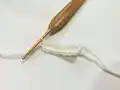
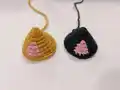
About This Basic Knots & Techniques Pattern
This pattern is a visual, step-by-step guide to basic macrame knots and mounting techniques. It covers the Lark's Head, Square Knot, Double Half Hitch, Overhand and Gathering Knot with photographic examples. Ideal for crafters who want to build a strong foundation in cordwork and small macrame projects.
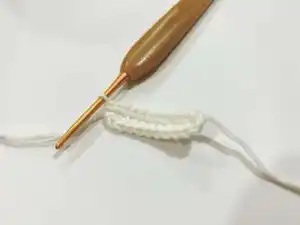
You will gain confidence mounting cords to a dowel and forming standard knots used in wall hangings and accessories. Each knot includes clear numbered steps and picture references for easy learning.
Why You'll Love This Basic Knots & Techniques Pattern
I absolutely love this pattern because it breaks down complex-looking macrame techniques into simple, approachable steps that anyone can follow. I love how each knot immediately makes basic cordwork feel purposeful and decorative. I enjoy the tactile satisfaction of creating neat, consistent knots and the way a few stitches transform loose cords into structured designs. I also appreciate that the pattern is photo-driven, making it easy to check your progress and correct mistakes as you go.
Switch Things Up
I love showing how small tweaks can change the whole look of a knot sequence, so try using thicker cord for a chunkier effect or thinner cord for a delicate aesthetic.
I often alternate cord colors to create striped knot rows — use contrasting shades on filler and working cords for visual interest.
Want a braided look? Combine square knots and alternating double half hitch rows to form chevrons and diagonal patterns.
I sometimes add beads onto filler cords before knotting to lock them in place and add ornamentation to a panel.
For softer drape, switch to a natural-fiber cord like jute or hemp; for a polished look, use mercerized cotton or synthetic cord with sheen.
I recommend experimenting with spacing: closer spaced Lark's Head knots give a dense field, while wider spacing creates airy designs.
Try varying knot tension within a row to create dimensional ridges and texture — tighten selectively to sculpt the piece.
To make a mini version for keychains, shorten cord lengths and use fine cord; for large wall hangings, plan for much longer filler cords and more repeats.
I often finish a gathering knot with a decorative wrap using a metallic cord or ribbon to add a focal point and secure the ends neatly.
Remember I like to mix knots: start with a row of Lark's Head mounts, then alternate square knots and double half hitches for a balanced, handcrafted composition.
Common Mistakes & How to Fix Them
✗ Trying to hurry through mounting cords leads to uneven spacing and misaligned knots; take time to measure and space cords evenly before knotting.
✗ Pulling wraps too tight when making gathering knots can distort the core strands; keep wraps snug but not overlapping and adjust tension gradually as you work.
✗ Skipping the step of forming clear loops for the Lark's Head can create weak mounts; fold the working cord neatly in half and seat the loop on the dowel before tightening.
✗ Not keeping filler and working cords organized causes tangled patterns and mistakes; separate filler (core) cords and working (knotting) cords before starting and work one knot at a time.
✗ Forgetting to leave enough tail when finishing the gathering knot will make hiding ends difficult; leave a generous tail for threading and trimming during finishing.