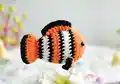
About This Clownfish (Nemo) Amigurumi Pattern
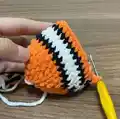
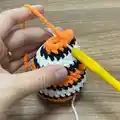
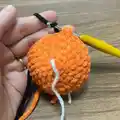
This pattern creates a small, striped clownfish (Nemo-inspired) amigurumi worked in Super Bulky yarn. You will crochet the body from the base up through the tail with clear color-change instructions for the orange, black and white stripes. Dorsal fins are picked up from existing rounds so no separate sewing is required.
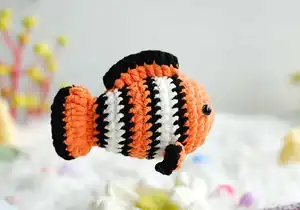
The pattern uses standard amigurumi shaping techniques: increases, decreases and simple stitch groupings for fins. It is quick to make and perfect for gifting or decorating a nursery.
Why You'll Love This Clownfish (Nemo) Amigurumi Pattern
I absolutely love this pattern because it captures the personality of a clownfish with minimal pieces and clever color changes. I enjoy how fast it works up using Super Bulky yarn, making it a rewarding project to finish in a single sitting. The pick-up method for the dorsal fins is one of my favorite touches — no complicated sewing needed and the fins sit naturally on the body. I also appreciate how adaptable the pattern is; you can easily change colors or scale the size by altering yarn weight and hook size.
Switch Things Up
I love how easy it is to customize this clownfish by simply changing colors; swap orange for pastels to create a whimsical baby mobile.
For a larger version, I switch to bulky or aran weight yarn and a larger hook to make a plush, cuddle-sized fish.
I often add embroidered smiles or small felt cheeks to change the expression and give each fish a unique personality.
Try using safety eyes of different sizes or embroidered eyes for a softer, baby-safe toy option.
Make a set of fish in complementary colors to create an aquarium of little friends — mix stripes and solid bodies for variety.
I sometimes add metallic thread to a few stripes for a subtle shimmer that catches light and looks magical on a shelf.
If you want posable fins, add thin wire inside the fin pieces before closing for a playful, adjustable pose.
To make a keychain, use thinner yarn and a smaller hook to scale down the pattern, then attach a key ring to the top fin.
For a durable toy, securely back the safety eyes with extra washers or sew around them with matching yarn to prevent loosening.
I recommend experimenting with different stuffing levels: slightly firmer for display pieces, softer for baby toys to keep them squishy and cuddly.
Consider making tiny accessories like a sailor hat or a small crochet seaweed for display, giving each fish a little story or scene.
Common Mistakes & How to Fix Them
✗ Skipping color changes cleanly can leave loose loops and messy joins; carry the yarn neatly or cut and weave ends immediately after each color change to keep stripes tidy.
✗ Forgetting to stuff gradually causes lumps and uneven shape; stuff in small increments while shaping to maintain a smooth, consistent body.
✗ Not counting stitches after increases or decreases leads to incorrect shaping; count your stitches at the end of each round especially after rounds with multiple increases or decreases.
✗ Attaching safety eyes too late can shift placement and distort the face; attach eyes between rounds specified (R5-R6) before heavy stuffing and secure tightly.
✗ Using a hook that is too large for Super Bulky yarn makes the fabric too open and stuffing visible; use the recommended hook size or go down one size for a tighter finish.