About This Crochet Flexagon Amigurumi Pattern
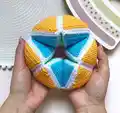
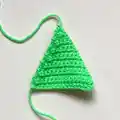
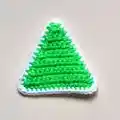
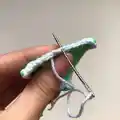
This pattern teaches you to crochet 24 equilateral triangles, edge them, and sew them into pyramids that assemble into a flexagon. The finished toy is approximately 15 cm across using the yarn and hook listed. You will learn a neat way to decrease, how to edge each triangle, and how to sew pieces with a half cross stitch seam.
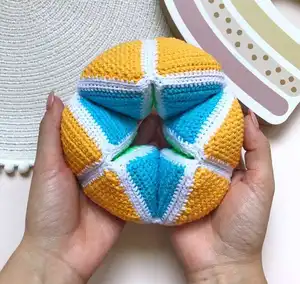
Clear step-by-step rounds and assembly photos are included for guidance. Suitable for crocheters ready to try simple shaping and sewing techniques.
Why You'll Love This Crochet Flexagon Amigurumi Pattern
I absolutely love this pattern because it transforms simple triangle motifs into a playful, interactive toy that delights both kids and adults. I enjoy the meditative rhythm of crocheting many identical pieces and then seeing them come together in a surprising way. Sewing the pyramids and assembling the flexagon is incredibly satisfying, and the finished toy is tactile and fun to fold. I take pride in providing clear stitch counts so you can follow each round confidently and finish with a professional-looking result.
Switch Things Up
I love experimenting with different color palettes in this pattern: try pastel shades for a softer flexagon or neon brights for a bold, modern look.
You can change the finished size easily by using a thicker yarn and a larger hook for a chunky toy, or a finer yarn and smaller hook to create a mini keychain version.
I often switch the white edging to a contrasting color to make the seams pop visually; try metallic or variegated yarn for a unique finish.
I sometimes add small embroidered motifs or beads on the triangle faces to personalize each panel and add tactile interest.
If you want more structure, insert a thin strip of cardboard into the seam before closing (covered with yarn) to change the flexing mechanics.
Make a set of flexagons in a theme (seasonal colors, rainbow, or monochrome) and stitch them together to create a larger interactive sculpture.
I recommend experimenting with stuffing amounts: less stuffing gives more flexibility while more stuffing makes a firmer, more durable toy.
You can sew snaps or Velcro tabs to connect multiple flexagons for a modular toy experience I like to gift as a calming sensory set.
I sometimes use embroidery floss for the white edging to create a crisper seam appearance; just make sure the thickness matches your stitches.
For a child-friendly version, use soft, washable cotton yarn and ensure all seams are sewn securely; I also round any sharp needle ends and double-knot my sewing threads.
I encourage you to try alternate assembly orders to discover new folding patterns — the structure is forgiving and invites playful experimentation.
Common Mistakes & How to Fix Them
✗ Not counting your starting chains and first row can lead to mismatched triangle sides; count your chains and stitches after each row to ensure you have the correct stitch counts.
✗ Skipping the white edging step will make it harder to sew triangles neatly; attach white thread and work SC around each edge as instructed to create a consistent seam for assembly.
✗ Overstuffing pyramids will warp the flexagon shape and make seams hard to align; stuff lightly and gradually while sewing so shapes remain even and flexible.
✗ Using a very different yarn weight or hook will change finished size and tension; if you change yarn weight, swatch and adjust your hook to match the approximate gauge and final size.