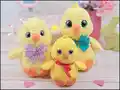
About This Feather Locklear the Chick Amigurumi Pattern
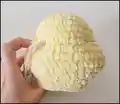
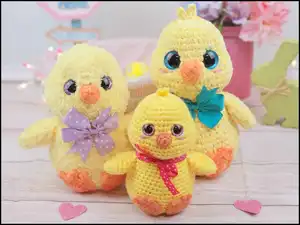
This pattern creates a charming 6-inch crocheted chick worked from the top of the head to the bottom of the body. It includes complete round-by-round instructions for the head, body, wings, feet, tail, beak and optional hair tuft. You will learn eye placement techniques, shaping using increases and decreases, and how to assemble and embroider facial details.
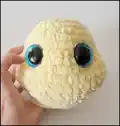
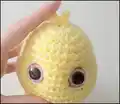
The pattern also lists alternate yarn and eye size options for fluffy or chenille versions and provides helpful photo guides for eye placement and finishing. You will receive clear tips for stuffing, sewing pieces in place, and customizing your chick.
Why You'll Love This Feather Locklear the Chick Amigurumi Pattern
I absolutely love this pattern because it captures a playful personality in a small, satisfying project. I designed the round-by-round shaping so the chick has a soft, plump body and an expressive face that makes everyone smile. I enjoy the simple construction worked in a continuous spiral — it keeps the process steady and meditative for me. The eye placement technique included is one of my favorite tips because it gives so much life to the finished piece.
Switch Things Up
I love customizing this chick by changing yarn texture; try fluffy yarn for a soft, cuddly look or chenille for a velvety finish.
I sometimes use brighter or pastel yellows to match a seasonal theme — swap Color A to make spring or baby-themed chicks.
If you want a mini keychain version, use a thinner yarn and a much smaller hook, then replace safety eyes with embroidered eyes for safety.
I adjust eye sizes to change personality: larger eyes give a cuter, more whimsical expression while smaller eyes look more realistic.
For a rustic style, use natural fiber yarns and muted tones; you can also add small crocheted accessories like bows or scarves.
I like to embroider eyelids or cheeks for extra expression — use short strands of yarn and a small needle to make delicate details.
To make a posable chick, I add thin wire inside the wings or neck, but be sure to wrap wire well and use caution for child-safe toys.
I sometimes create a family set by changing yarn weights and hook sizes to make small, medium and large chicks with matching features.
For a textured foot or beak, experiment with surface stitches or a slip-stitch edging before sewing pieces on for a little extra definition.
I also enjoy making themed chicks by adding tiny felt accessories, embroidered initials, or miniature hats to create personalized gifts.
Common Mistakes & How to Fix Them
✗ Skipping stitch markers during continuous spiral work can cause you to lose the beginning of rounds; place and move a stitch marker at the start of every round to keep your stitch counts accurate.
✗ Not stuffing gradually can create lumps or an uneven shape; stuff a little at a time and shape as you go, focusing stuffing toward the front of the head before finishing the body.
✗ Placing safety eyes without checking spacing may give an unbalanced face; follow the pattern instructions for rounds and use pins to test eye placement before securing or adding washers.
✗ Pulling yarn too tightly when adjusting eyes or embroidering can warp stitches and distort shaping; use gentle, even tension when pulling yarn through holes and adjust slowly until you reach the desired look.
✗ Using a different yarn weight without adjusting hook or eye placement will change finished size and proportions; if you change yarn weight or hook, test gauge with a small sample and adjust eye spacing accordingly.