🧢 Beautiful ✨ Detailed πŸ’ Adorable

Layla the Llama Amigurumi Pattern

Layla the Llama Amigurumi Pattern
4.9β˜… Rating
8-10 Hours Time Needed
1.6K Made This
βœ‚οΈ

Advanced Level

Designed for experienced knitters, these patterns involve intricate designs and complex techniques to challenge and inspire.

⏱️

All-Day Adventure

Requires 8-10 hours, ideal for a full day of immersive knitting.

🐰

Whimsical Buddy

Playful characters full of personality, designed to spark imagination and become cherished playtime favorites.

About This Layla the Llama Amigurumi Pattern

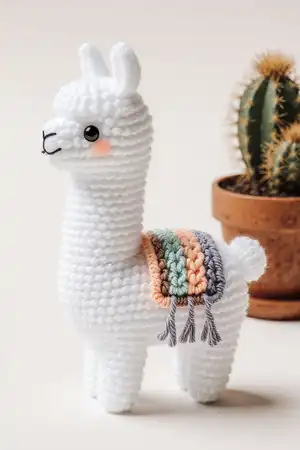
Layla the Llama is a show-stopping amigurumi pattern that brings this beloved animal to life in plush form. This pattern features advanced techniques including the waistcoat stitch for the saddle blanket, continuous spiral rounds, and a unique construction method for creating standing legs with a belly strap. The detailed instructions guide you through creating a three-dimensional llama with proper proportions, adorable facial features, and a decorative blanket complete with tassels.

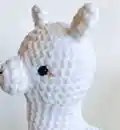
Layla the Llama Amigurumi Pattern crochet pattern - detailed view of completed project

What makes this pattern special is the attention to detail in the construction process. From the carefully placed safety eyes to the colorful striped saddle blanket, every element comes together to create a llama with personality and charm that will be treasured for years.

Why You'll Love This Layla the Llama Amigurumi Pattern

I absolutely love this pattern because it pushes your crochet skills to new heights while creating something truly special. The waistcoat stitch technique for the saddle blanket adds beautiful texture that really elevates the finished piece. What really excites me is the innovative leg construction method that allows Layla to stand on her own, making her perfect for display. The process of watching this llama come to life, from the sweet face with embroidered details to the playful tassels on the blanket, is incredibly rewarding. Plus, there's something so satisfying about mastering the belly strap assembly that gives the llama its unique shape and stability!

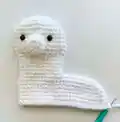
Layla the Llama Amigurumi Pattern step 1 - construction progress Layla the Llama Amigurumi Pattern step 2 - assembly progress Layla the Llama Amigurumi Pattern step 3 - details and accessories Layla the Llama Amigurumi Pattern step 4 - final assembly and finishing

Switch Things Up

I love how versatile this llama pattern can be with just a few creative tweaks! While the classic white llama with a colorful saddle blanket is absolutely adorable, I've experimented with some fun variations that really let your personality shine through. Try using different plush yarn colors to create llamas in brown, tan, or even pastel shades for a whimsical twist.

I've also played around with the saddle blanket design by using different stitch patterns instead of the waistcoat stitch, or creating geometric patterns with your color changes. You could even add small pom-poms or beads to the blanket tassels for extra flair!

For a seasonal variation, I love making holiday-themed llamas by using festive colors in the saddle blanket, like red and green for Christmas or pastels for Easter. You could also add small accessories like a flower crown made from embroidery thread or a tiny bow around the neck.

If you want to make a smaller version, simply use worsted weight yarn throughout with a smaller hook size. I've found this creates an adorable mini llama that's perfect for ornaments or keychains. The beauty of this pattern is that once you master the construction technique, the creative possibilities are truly endless!

Common Mistakes & How to Fix Them

βœ— N βœ— o βœ— t βœ— βœ— u βœ— s βœ— i βœ— n βœ— g βœ— βœ— s βœ— t βœ— i βœ— t βœ— c βœ— h βœ— βœ— m βœ— a βœ— r βœ— k βœ— e βœ— r βœ— s βœ— βœ— c βœ— o βœ— n βœ— s βœ— i βœ— s βœ— t βœ— e βœ— n βœ— t βœ— l βœ— y βœ— βœ— w βœ— h βœ— e βœ— n βœ— βœ— c βœ— r βœ— e βœ— a βœ— t βœ— i βœ— n βœ— g βœ— βœ— t βœ— h βœ— e βœ— βœ— l βœ— e βœ— g βœ— s βœ— , βœ— βœ— w βœ— h βœ— i βœ— c βœ— h βœ— βœ— c βœ— a βœ— n βœ— βœ— l βœ— e βœ— a βœ— d βœ— βœ— t βœ— o βœ— βœ— u βœ— n βœ— e βœ— v βœ— e βœ— n βœ— βœ— l βœ— e βœ— g βœ— βœ— p βœ— l βœ— a βœ— c βœ— e βœ— m βœ— e βœ— n βœ— t βœ— βœ— a βœ— n βœ— d βœ— βœ— a βœ— n βœ— βœ— u βœ— n βœ— s βœ— t βœ— a βœ— b βœ— l βœ— e βœ— βœ— s βœ— t βœ— a βœ— n βœ— d βœ— i βœ— n βœ— g βœ— βœ— p βœ— o βœ— s βœ— i βœ— t βœ— i βœ— o βœ— n βœ— βœ— f βœ— o βœ— r βœ— βœ— y βœ— o βœ— u βœ— r βœ— βœ— l βœ— l βœ— a βœ— m βœ— a βœ— . βœ— βœ— S βœ— t βœ— u βœ— f βœ— f βœ— i βœ— n βœ— g βœ— βœ— t βœ— h βœ— e βœ— βœ— h βœ— e βœ— a βœ— d βœ— βœ— a βœ— n βœ— d βœ— βœ— b βœ— o βœ— d βœ— y βœ— βœ— t βœ— o βœ— o βœ— βœ— f βœ— i βœ— r βœ— m βœ— l βœ— y βœ— βœ— b βœ— e βœ— f βœ— o βœ— r βœ— e βœ— βœ— c βœ— o βœ— m βœ— p βœ— l βœ— e βœ— t βœ— i βœ— n βœ— g βœ— βœ— t βœ— h βœ— e βœ— βœ— n βœ— e βœ— c βœ— k βœ— βœ— s βœ— e βœ— c βœ— t βœ— i βœ— o βœ— n βœ— , βœ— βœ— m βœ— a βœ— k βœ— i βœ— n βœ— g βœ— βœ— i βœ— t βœ— βœ— d βœ— i βœ— f βœ— f βœ— i βœ— c βœ— u βœ— l βœ— t βœ— βœ— t βœ— o βœ— βœ— p βœ— r βœ— o βœ— p βœ— e βœ— r βœ— l βœ— y βœ— βœ— s βœ— h βœ— a βœ— p βœ— e βœ— βœ— a βœ— n βœ— d βœ— βœ— a βœ— t βœ— t βœ— a βœ— c βœ— h βœ— βœ— c βœ— o βœ— m βœ— p βœ— o βœ— n βœ— e βœ— n βœ— t βœ— s βœ— βœ— l βœ— a βœ— t βœ— e βœ— r βœ— . βœ— βœ— S βœ— k βœ— i βœ— p βœ— p βœ— i βœ— n βœ— g βœ— βœ— t βœ— h βœ— e βœ— βœ— p βœ— i βœ— n βœ— n βœ— i βœ— n βœ— g βœ— βœ— s βœ— t βœ— e βœ— p βœ— βœ— b βœ— e βœ— f βœ— o βœ— r βœ— e βœ— βœ— s βœ— e βœ— w βœ— i βœ— n βœ— g βœ— βœ— t βœ— h βœ— e βœ— βœ— s βœ— a βœ— d βœ— d βœ— l βœ— e βœ— βœ— b βœ— l βœ— a βœ— n βœ— k βœ— e βœ— t βœ— , βœ— βœ— w βœ— h βœ— i βœ— c βœ— h βœ— βœ— o βœ— f βœ— t βœ— e βœ— n βœ— βœ— r βœ— e βœ— s βœ— u βœ— l βœ— t βœ— s βœ— βœ— i βœ— n βœ— βœ— a βœ— βœ— c βœ— r βœ— o βœ— o βœ— k βœ— e βœ— d βœ— βœ— o βœ— r βœ— βœ— u βœ— n βœ— e βœ— v βœ— e βœ— n βœ— βœ— b βœ— l βœ— a βœ— n βœ— k βœ— e βœ— t βœ— βœ— p βœ— l βœ— a βœ— c βœ— e βœ— m βœ— e βœ— n βœ— t βœ— βœ— o βœ— n βœ— βœ— t βœ— h βœ— e βœ— βœ— l βœ— l βœ— a βœ— m βœ— a βœ— ' βœ— s βœ— βœ— b βœ— a βœ— c βœ— k βœ— . βœ— βœ— F βœ— o βœ— r βœ— g βœ— e βœ— t βœ— t βœ— i βœ— n βœ— g βœ— βœ— t βœ— o βœ— βœ— c βœ— h βœ— a βœ— n βœ— g βœ— e βœ— βœ— y βœ— o βœ— u βœ— r βœ— βœ— s βœ— t βœ— i βœ— t βœ— c βœ— h βœ— βœ— m βœ— a βœ— r βœ— k βœ— e βœ— r βœ— βœ— p βœ— o βœ— s βœ— i βœ— t βœ— i βœ— o βœ— n βœ— βœ— a βœ— f βœ— t βœ— e βœ— r βœ— βœ— c βœ— r βœ— e βœ— a βœ— t βœ— i βœ— n βœ— g βœ— βœ— t βœ— h βœ— e βœ— βœ— n βœ— e βœ— c βœ— k βœ— βœ— c βœ— h βœ— a βœ— i βœ— n βœ— βœ— s βœ— e βœ— c βœ— t βœ— i βœ— o βœ— n βœ— , βœ— βœ— c βœ— a βœ— u βœ— s βœ— i βœ— n βœ— g βœ— βœ— c βœ— o βœ— n βœ— f βœ— u βœ— s βœ— i βœ— o βœ— n βœ— βœ— i βœ— n βœ— βœ— r βœ— o βœ— u βœ— n βœ— d βœ— βœ— c βœ— o βœ— u βœ— n βœ— t βœ— i βœ— n βœ— g βœ— βœ— a βœ— n βœ— d βœ— βœ— m βœ— i βœ— s βœ— a βœ— l βœ— i βœ— g βœ— n βœ— m βœ— e βœ— n βœ— t βœ— βœ— o βœ— f βœ— βœ— b βœ— o βœ— d βœ— y βœ— βœ— p βœ— r βœ— o βœ— p βœ— o βœ— r βœ— t βœ— i βœ— o βœ— n βœ— s βœ— .

Layla the Llama Amigurumi Pattern

Create your own adorable Layla the Llama with this delightful crochet amigurumi pattern! This charming llama features a sweet face with safety eyes, embroidered details, and a colorful saddle blanket with playful tassels. Standing approximately 11 inches tall, Layla makes a wonderful handmade gift or dΓ©cor piece. The pattern includes detailed instructions for creating the head, body, legs, ears, tail, and a beautiful striped blanket. Perfect for crocheters looking to expand their amigurumi skills with a unique standing animal design!

Advanced 8-10 Hours

Materials Needed for Layla the Llama Amigurumi Pattern

β€” Main Fabric

  • 01
    Super bulky (weight 6) plush yarn in white (Premier Parfait Chunky recommended)
  • 02
    Worsted weight (weight 4) yarn in three different colors for saddle blanket (pink, lavender, and blue suggested)
  • 03
    White worsted yarn for sewing blanket to llama
  • 04
    Light pink yarn for blush details
  • 05
    Black embroidery thread for mouth details

β€” Tools Required

  • 01
    5.5 mm crochet hook
  • 02
    3.5 mm crochet hook (optional, for tassels)
  • 03
    Stitch markers (8)
  • 04
    Scissors
  • 05
    Yarn needle
  • 06
    Sewing pins
  • 07
    12mm black safety eyes
  • 08
    Polyester stuffing

Progress Tracker

0% Complete

β€” Nose :

Round 1 :

sc6 in MR (6 sts)

Round 2 :

inc x6 (12 sts)

Round 3-4 :

sc around (12 sts)

Info :

Cut yarn, leaving a long tail for sewing. FO. Stuff with Polyester stuffing.

β€” Head & Body :

Round 1 :

sc6 in MR (6 sts)

Round 2 :

inc x6 (12 sts)

Round 3 :

(sc, inc) x6 (18 sts)

Round 4 :

(sc2, inc) x6 (24 sts)

Round 5 :

(sc3, inc) x6 (30 sts)

Round 6 :

(sc4, inc) x6 (36 sts)

Round 7-12 :

(6 rds): sc around (36 sts)

Round 13 :

(sc4, dec) x6 (30 sts)

Round 14 :

(sc3, dec) x6 (24 sts)

Round 15-18 :

(4 rds): sc around (24 sts)

Info :

Place a stitch marker at the front of the head between rounds 9-10 (this will help with eye placement later on)

Round 19-20 :

(Counts as 2 rds in total) sc22, (there should be 2 unworked sc), ch10. Turn and work sc9 down the chain, sl st into the base sc. Move the stitch marker to the end of the ch (marks the beginning/end of new rounds). Starting at the 2 un-worked sc sts, Sc around the neck and the back of the ch. (43 sts)

Round 21 :

inc, sc20, inc, sc20, inc (46 sts)

Round 22 :

inc, sc43, inc2 (49 sts)

Round 23 :

inc, sc47, inc (51 sts)

Round 24-27 :

(4 rds): sc around (51 sts)

Info :

Move your stitch marker 1 stitch to the left and sc1. Stuff the head and neck. Do not FO

Infos :

At this point, sew on the nose between rounds 8-13. Place the safety eyes between rounds 9-10, about 7 stitches apart. You can sew on a mouth using black embroidery thread. Add blush to the llama using pink yarn right below the eyes.

β€” Legs :

Info :

Before you begin crocheting the legs, section the areas using stitch markers. Each leg will be 9 stitches across with 6 stitch-spaces between the front and back legs. Arrange the stitch markers so there is a 1 stitch-space between the front legs, and a 2 stitch-space between the back legs.

Round 1 :

sc9, ch9, sl st into the first sc with the stitch marker (18 sts)

Round 2-4 :

(3 rds): sc around (18sts)

Round 5 :

sc2, (sc2, dec) x4 (14 sts)

Round 6 :

sc2 (sc, dec) x4 (10 sts)

Info :

Sl st, FO, close the leg with the yarn tail. Hide the tail inside the llama's leg. Repeat this step for the other three legs. For the last three legs, make a slip knot on your crochet hook and then insert your hook into the sc to crochet the leg.

β€” Belly Strap :

Info :

In the 6-stitch space between the front and back legs (front of the llama only)

Round 1 :

inc, sc4, inc, ch1 & turn work

Round 2-10 :

sc8, ch1 & turn work (9 rows)

Info :

FO, leaving a very long tail for sewing (long enough to sew the belly and all four legs.)

β€” Ears :

Info :

Make 2 pieces

Round 1 :

sc4 in MR (4 sts)

Round 2 :

(sc, inc) x2 (6 sts)

Round 3 :

(sc2, inc) x2 (8 sts)

Round 4-5 :

(2 rds): sc around (8 sts)

Info :

FO, leaving a long tail for sewing. Weave the yarn through the bottom of the ear to close it. Make another one identically.

β€” Tail :

Round 1 :

sc6 in MR (6 sts)

Round 2 :

(sc, inc) x3 (9 sts)

Round 3 :

sc around (9 sts)

Info :

FO, leaving a long tail for sewing. Stuff with polyester stuffing.

β€” Saddle Blanket :

Info :

Worsted medium weight yarn in any 3 colors of choice, 5.5mm hook, worked in repeating rows. Alter the number of ch & rows as needed to fit your llama

Round 1 :

Ch10

Round 2-22 :

Ws (waistcoat st) across, ch1, turn (change yarn color every 2 rows) (add more/less rows depending on yarn weight and the size of your llama)

Info :

FO, hide yarn tails. Add tassels.

β€” Tassels :

Info :

Cut ten 3-inch pieces of yarn. Use a small crochet hook (3.5 mm) to pull the yarn through the blanket. Make a loop and pull the yarn through with the hook. Repeat the step every other stitch - 5 tassels on each end of the blanket. Trim the tassels to the same length.

Assembly Instructions

  • Fold the belly strap across the llama to create the belly and whip stitch in each stitch across the 6-stitch space between the front and back legs.
  • Connect the first leg to the strap by sewing halfway down the shorter side of the rectangle, then sew the two legs together and attach the second leg to the strap.
  • Thread the yarn to the other side of the llama and stuff the llama's neck and legs thoroughly.
  • Sew the second pair of legs to the belly strap using the same method, then fasten off and hide the yarn ends securely.
  • Sew the ears to the llama's head between rounds 3-5, spacing them about 11 stitches apart, then secure and hide the ends inside the head.
  • Attach the tail to the back of the llama, securing and hiding all yarn ends inside the body.
  • Pin the saddle blanket evenly to the back of the llama to ensure proper placement, then sew it on using white worsted yarn.

Important Notes

  • πŸ’‘Use stitch markers consistently throughout the pattern, especially when sectioning the leg areas and tracking rounds during construction
  • πŸ’‘Pull apart polyester stuffing into smaller chunks before filling to ensure even distribution and proper firmness throughout the llama
  • πŸ’‘The waistcoat stitch creates a beautiful textured pattern but requires inserting your hook into the middle post of each stitch rather than under both loops
  • πŸ’‘Always pin components in place before sewing to ensure proper positioning and symmetry, especially for ears and the saddle blanket
  • πŸ’‘Keep your gauge consistent when working with plush yarn as it can be more difficult to see individual stitches
  • πŸ’‘Watch the referenced video tutorials for complex techniques like the neck construction and belly assembly for best results

This delightful Layla the Llama pattern was designed to bring joy and personality into your crochet projects! The combination of plush yarn, adorable facial features, and a colorful saddle blanket with tassels creates a llama that's truly special. Whether you're creating her as a gift or adding her to your own collection, the detailed instructions and innovative construction techniques will guide you through every step. The waistcoat stitch blanket and standing leg design make this pattern a rewarding challenge that results in a beautiful, display-worthy finished piece. πŸ¦™ Happy crocheting! 🧢✨

You ask,

we answer.

FAQs

Can I use a different yarn weight for this pattern?

Yes, but keep in mind that using a different yarn weight will change the final size of your llama. The pattern is designed for super bulky weight 6 yarn, which creates an 11-inch tall llama. If you use a lighter weight yarn, your llama will be smaller, and you may need to adjust the hook size accordingly.

What is the waistcoat stitch and why is it used for the saddle blanket?

The waistcoat stitch is worked by inserting your hook into the middle post of the single crochet stitch (which looks like an upside-down V) rather than under both loops. This creates a beautiful knit-like texture that makes the saddle blanket look more authentic and adds visual interest to the finished llama.

How do I make sure my llama stands up properly?

The key to a standing llama is proper leg placement and firm stuffing. Make sure to follow the stitch marker placement instructions carefully, spacing the legs evenly with the correct number of stitches between them. Stuff the legs firmly but not too tightly, and ensure the belly strap is sewn securely to create a stable base.

Can I make the saddle blanket in different colors?

Absolutely! The pattern suggests using three different worsted weight colors, but you can customize the blanket with any color combination you like. You can also adjust the number of rows in each color stripe to create your own unique design.

What should I do if I get confused during the neck and body construction?

The neck construction (Rounds 19-20) is one of the trickier parts of this pattern. The pattern includes a video tutorial link that demonstrates this technique step-by-step. It's highly recommended to watch this video before starting this section, and use stitch markers to track your beginning and ending points carefully.