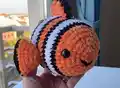
About This Nemo the Clown Fish Amigurumi Pattern
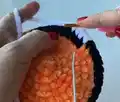
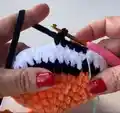
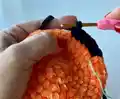
This pattern creates a squishy, plush Nemo-style clown fish using Himalaya Velvet yarn for a soft, tactile finish. Youll crochet the body in continuous rounds, then add side fins, an upper fin and tail before finishing with embroidery. The step-by-step rounds and photos make assembly straightforward and enjoyable. Ideal for gifting or brightening a shelf with handmade charm.
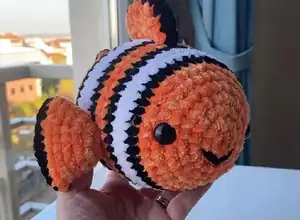
Worked in a continuous spiral, the fish finishes approximately 20-24 cm tall with the recommended yarn and hook. Materials include orange, white and black velvet yarn plus 16 mm safety eyes for a friendly look.
Why You'll Love This Nemo the Clown Fish Amigurumi Pattern
I absolutely love this pattern because it combines simple amigurumi techniques with plush velvet yarn to create a wonderfully tactile toy. The striped body and smiling face add personality that always makes me smile when I finish one. I enjoy the clear round-by-round shaping — it helps me focus on each little step and see progress quickly. It is satisfying to sew the fins and tail in place and watch the fish come to life as a complete piece.
Switch Things Up
I love using different yarns to change the feel of this Nemo pattern; try a bulky chenille for a giant cuddly fish or a DK cotton for a firmer mini version.
I often swap the color palette to create unique fish personalities — pastel shades make a soft baby toy while neon colors create a playful, modern look.
If you want a smaller keychain version use thinner yarn and a smaller hook and reduce eye size to 8 mm or sew on tiny felt circles instead of safety eyes.
I sometimes embroider freckles or add tiny felt fins and accessories like a bow or scarf to personalize each fish for gifts.
For more structure try adding a small plastic canvas disk inside the tail or fins before sewing to keep them upright and crisp.
I recommend experimenting with eye placement; moving the eyes slightly changes the expression from curious to cheeky or calm depending on the look you want.
Try making a school of fish by varying yarn textures and sizes for a striking display — group them on a shelf or hang them as a mobile.
I also like to add a bit of wire in the upper fin for posability, but keep it covered well and use only for decorative adult items not toys for small children.
If you prefer hand-sewn details, create the mouth with embroidery floss instead of bulky thread for a subtler smile.
Finally I often combine this pattern with small crocheted bubbles or seaweed to make a complete little aquatic scene for gifting or photography.
Common Mistakes & How to Fix Them
✗ Skipping the stitch marker during continuous rounds can make counting rounds confusing; use a marker at the first stitch of each round and move it after completing each round.
✗ Overstuffing the body causes bulging stripes and distorts shape; stuff gradually with small amounts to maintain the spherical profile.
✗ Changing colors without securing tails neatly can leave loose ends showing; weave in color-change ends as you go or leave tails to hide inside seams when sewing.
✗ Not checking stitch counts after increases/decreases leads to incorrect shaping later; count your stitches after each increase or decrease round to keep the totals exact.
✗ Crocheting too tightly with velvet yarn can make pieces stiff and hard to join; relax your tension slightly and use slow, even stitches for a softer result.