🧢 Beautiful ✨ Detailed πŸ’ Adorable

Coaster Spider Amigurumi Pattern

Coaster Spider Amigurumi Pattern
4.2β˜… Rating
2-3 Hours Time Needed
3.2K Made This
βœ‚οΈ

Beginner Friendly Level

Perfect for those just starting their crochet journey, with clear instructions and simple techniques

⏱️

Bite-Sized Project

Finishes in 2-4 hoursβ€”perfect for an afternoon of creative relaxation.

🏑

Cozy Accent

A warm touch for your space that transforms ordinary corners into inviting nooks filled with handmade charm.

About This Coaster Spider Amigurumi Pattern

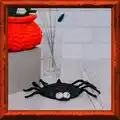
This pattern creates a flat spider-shaped coaster crocheted in raffia yarn with stuffed eyes and embroidered details. It uses simple double crochet rounds to build the base, a decorative trim with stitch markers, and short crocheted legs. The piece is shaped with steam and finished with sewn eyes and a few embroidery stitches for personality.
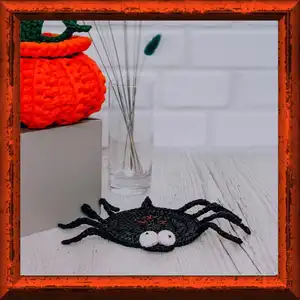
Coaster Spider Amigurumi Pattern crochet pattern - detailed view of completed project

Designed for beginners, the instructions include clear rounds, photos, and video reference for elongated chain stitches. The finished coaster measures about 4.5 inches (11 cm) across, with legs about 9 inches (22 cm) long.

Why You'll Love This Coaster Spider Amigurumi Pattern

I absolutely love this pattern because it turns inexpensive raffia yarn into a striking seasonal accent that looks much more complex than it actually is. I enjoy how quickly the base rounds come together and how the steam shaping transforms the coaster into a neat, polished piece. The tiny stuffed eyes and simple red embroidery add so much character with very little extra work. Making a set of these takes a couple of afternoons and always sparks compliments when I use them or gift them. It's a joyful, tactile project that blends easy crochet with small finishing touches.

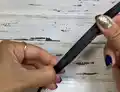
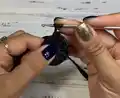
Coaster Spider Amigurumi Pattern step 1 - construction progress Coaster Spider Amigurumi Pattern step 2 - assembly progress Coaster Spider Amigurumi Pattern step 3 - details and accessories Coaster Spider Amigurumi Pattern step 4 - final assembly and finishing

Switch Things Up

I love customizing this coaster by changing yarn and color to suit seasons; try natural raffia for a rustic look or bright colors for a playful version.

If you want a smaller or larger coaster, adjust your hook size and yarn weight; a thicker yarn with a larger hook gives a chunkier coaster, while thin cotton makes a delicate mini.

I often add felt pads under the coaster for extra stability and protection; cut small felt circles and glue or stitch them to the back.

Try making a whole set in alternating colors to create a themed table display for parties or holidays.

I sometimes replace the stuffed eyes with safety eyes or embroidered eyes for different expressions; experiment with placement to change personality.

For a sturdier finish, lightly starch the coaster instead of steaming, then shape and press flat until dry.

I like to trim the legs shorter for a subtler look, or braid two strands of raffia together for thicker, more dramatic legs.

Add tiny crocheted accessories like a mini bow or hat on the spider for a cute gift-ready touch.

I recommend experimenting with embroidered details; red stitches create spooky marks, while white highlights give a cartoonish charm.

Don't be afraid to mix fibersβ€”combining raffia with a bit of cotton for eyes or accents gives contrast and helps details pop.

Common Mistakes & How to Fix Them

βœ— Not straightening the raffia yarn before starting causes gaps and uneven stitches; straighten the raffia first and keep the working thread level with the hook while crocheting. βœ— Using the wrong hook size will change the gauge and shape; use 2mm and 3mm hooks as specified to match the pattern and finished dimensions. βœ— Skipping stitch markers during the base trim leads to misplaced decorative sections; place markers in the 8th, 12th, 16th, 20th, 30th, 40th, 44th, 48th and 52nd loops as directed. βœ— Overstuffing the eyes makes sewing and shaping difficult; add a small amount of stuffing and shape gradually to keep the eyes round and neat. βœ— Cutting the thread too early at the base before finishing the trim will leave you without a tail for finishing; follow the instruction 'The thread don't cut' until the trim is fully worked and shaped.
Coaster Spider Amigurumi Pattern

Make a charming spider coaster with raffia yarn β€” a fun, seasonal crochet project you can finish in an afternoon. This pattern uses simple stitches and a short trim step to create a flat coaster with playful legs and cute stuffed eyes. Follow the step-by-step instructions, photos, and finishing tips to get a neat, steam-shaped result you can gift or decorate with.

Beginner Friendly 2-3 Hours

Materials Needed for Coaster Spider Amigurumi Pattern

β€” Main Fabric

  • 01
    Raffia yarn (for example, Fibranatura) - black or brown colors, approximately 1/3 of a skein
  • 02
    White or ivory yarn for eyes - 160m/50g (approx. 1.76 oz / 174 yds) - small amount
  • 03
    Red yarn for embroidered details - 280m/50g (approx. 1.76 oz / 305 yds) - small amount
  • 04
    Any soft stuffing for eyes - small polyester fiberfill (a few grams)

β€” Tools Required

  • 01
    Crochet hook N2 - 2mm
  • 02
    Crochet hook N3 - 3mm
  • 03
    Scissors
  • 04
    Sewing needle
  • 05
    Thick needle
  • 06
    Sewing thread (black color)
  • 07
    9 stitch markers
  • 08
    2 black beads, diameter 1.5-2mm (for eye pupils)
  • 09
    Yarn needle for sewing
  • 10
    Iron and damp cloth for steaming and shaping

Progress Tracker

0% Complete

β€” Crochet base (circle) :

Info :

Crochet 3 CH.

Round 1 :

Crochet 15 DC in the 3d loop from the hook, SlSt.

Info :

Crochet ECS like on the video or 3 CH.

Info :

Cut and hide the end of the thread.

Round 2 :

(1 Inc)*15= 30, SlSt, ECS.

Round 3 :

(1 DC, 1 Inc)*15 = 45, SlSt, ECS.

Round 4 :

(2 DC, 1 Inc)*15 = 60, SlSt. The thread don't cut.

Info :

Diameter of the circle is 4 1/2 inches (11cm). Steam the circle with an iron. Then, shape with hands. The raffia yarn easily takes shape. Here how it is supposed to look like:

β€” Crochet the base trim :

Infos :

Place markers in 8th, 12th, 16th, 20th, 30th, 40th, 44th, 48th, 52nd loops.

Info :

Crochet the base trim: 8 SlSt, 12 CH, crochet 6 SC from the 2nd loop, 3 SC in 1, 4 SC, SlSt in 8th loop, 3 SlSt, 12 CH, crochet 6 SC from the 2nd loop, 3 SC in 1, 4 SC, SlSt in 12th loop, 3 SlSt, 12 CH, crochet 6 SC from the 2nd loop, 3 SC in 1, 4 SC, SlSt in 16th loop, 3 SlSt, 12 CH, crochet 6 SC from the 2nd loop, 3 SC in 1, 4 SC, SlSt in 20th loop, 7 SlSt, skip 2 loops, crochet 8 DC in 30th loop, skip 2 loops, 8 SlSt, 12 CH, crochet 6 SC from the 2nd loop, 3 SC in 1, 4 SC, SlSt in 40th loop, 3 SlSt, 12 CH, crochet 6 SC from the 2nd loop, 3 SC in 1, 4 SC, SlSt in 44th loop, 3 SlSt, 12 CH, crochet 6 SC from the 2nd loop, 3 SC in 1, 4 SC, SlSt in 48th loop, 3 SlSt, 12 CH, crochet 6 SC from the 2nd loop, 3 SC in 1, 4 SC, SlSt in 52nd loop, 7 SlSt, 3 DC together.

Info :

Cut and hide the end of the thread.

Info :

Fold the legs to one side. Can be steamed with an iron.

β€” Eye (*2) :

Info :

Crochet 2 CH.

Round 1 :

Crochet 6 SC in the 2nd loop from the hook,

Round 2 :

(1 Inc)*6 (12). Pull the thread on the front side and hide the end.

Round 3 :

12 SC,

Round 4 :

12 SC,

Info :

Fill the eye with stuffing.

Round 5 :

(1 Dec)*6 (6),

Info :

Pull the hole. Cut and hide the end of the thread.

β€” Assembly :

Item Name (P1) :

Sew eyes together with beads.

Info :

Embroider a few stitches with the red thread, on the 2nd and 3d rows.

Info :

Tie the knot from the wrong side. Cut and hide the ends of the thread.

Info :

Congratulations! Your cute coaster is ready.

Assembly Instructions

  • Sew the two stuffed eyes together and secure a small black bead in the center of each eye for the pupils; position the eyes at the front edge of the coaster and sew them firmly in place.
  • Embroider a few small red stitches over the 2nd and 3rd rounds of the base to create expression marks; tie the knot on the wrong side and cut and hide the thread ends.
  • Fold the crocheted legs to one side and arrange them around the base; pin in place with stitch markers, then tack each leg down securely with matching thread so they keep their position.
  • Steam the entire coaster lightly with an iron and a damp cloth, then shape with your hands to flatten and set the trims and legs for a neat finish.

Important Notes

  • πŸ’‘Straighten the raffia yarn before starting to avoid holes in the canvas; pull the working thread to the level of the hook while crocheting SC.
  • πŸ’‘Use stitch markers to mark the specified loops (8th, 12th, 16th, 20th, 30th, 40th, 44th, 48th, 52nd) for accurate placement of trims and legs.
  • πŸ’‘Steam the finished circle with an iron and shape by hand to achieve the correct flat coaster shape β€” raffia responds well to steam shaping.
  • πŸ’‘Cut and hide thread ends after the indicated steps only, and keep the working thread attached when instructed ('The thread don't cut') until trim work is complete.

Thank you for making this spider coaster β€” I hope it brings a playful, handmade touch to your table! πŸ•·οΈ Use it for Halloween decor or as a quirky everyday accent; it also makes a fun gift for friends. 🧢 Happy crocheting and enjoy shaping your raffia creations! ✨

You ask,

we answer.

FAQs

What size will the finished piece be?

The finished coaster measures approximately 4 1/2 inches (11 cm) in diameter with legs about 9 inches (22 cm) long when using the recommended raffia and hooks.

Can I use different yarn instead of raffia?

Yes, you can substitute other yarns, but the look and shape will change; raffia is recommended for the flat, textured effect and steam shaping behavior.

Do I need to watch the video to complete the pattern?

The written pattern includes all rounds and steps, but the linked video demonstrates the elongated chain stitch (ECS) and shaping techniques which can be helpful for beginners.

How should I finish and shape the coaster?

After completing the base and trim, steam the circle with an iron and use your hands to shape it; fold and position the legs, then sew eyes and embroider details to finish.